Chimney Liner Cost: What Nashville Homeowners Should Know
Stainless steel vs. cast-in-place liners, what drives the price difference, and when relining is actually required.
Liner cost is one of the most-searched chimney questions, and for good reason — it's one of the more significant repairs a chimney can need, and pricing varies widely depending on liner type, flue condition, and appliance requirements.
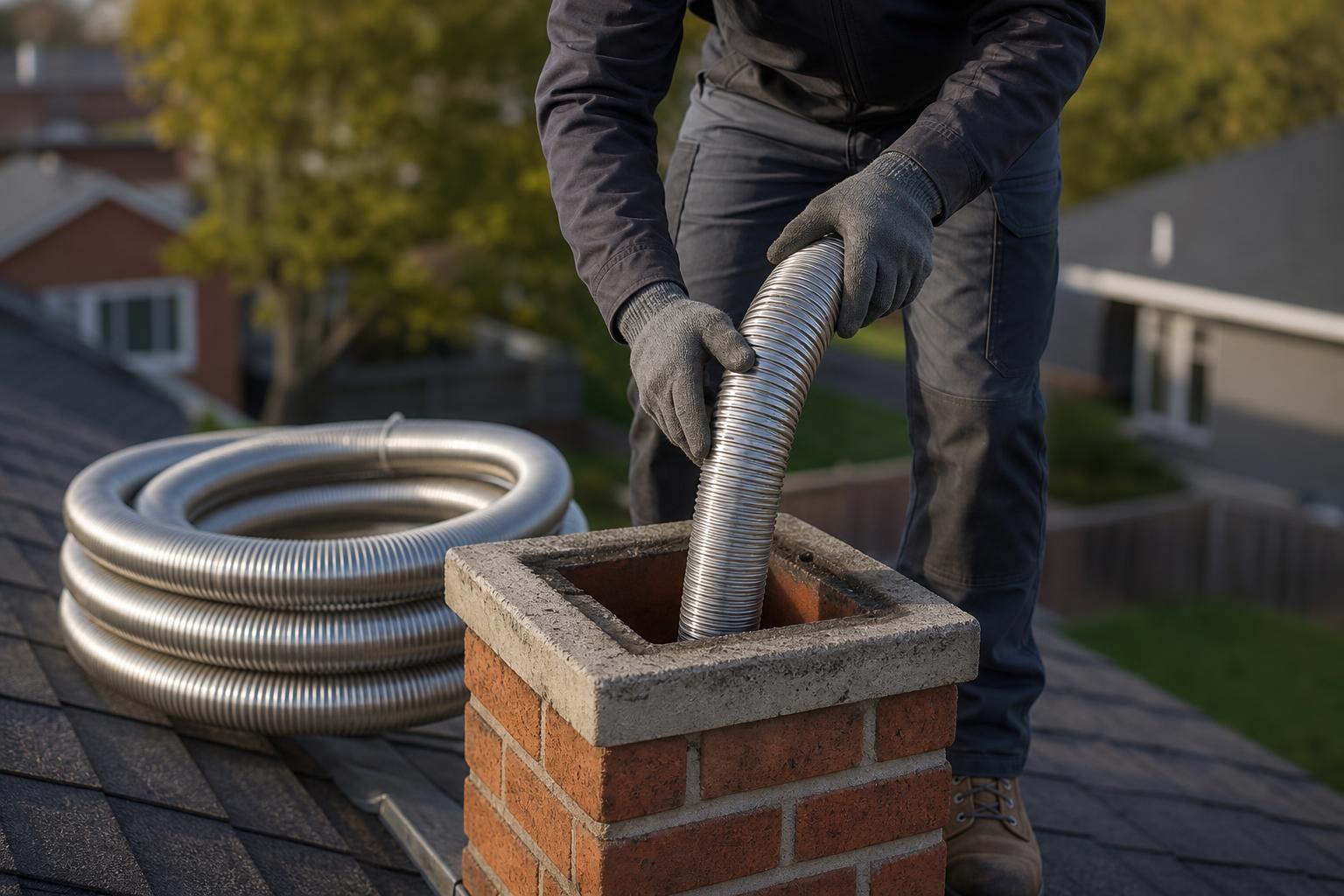
Stainless steel liners are the more common and generally more affordable option for most residential applications. They come in flexible or rigid forms and are sized to match the specific appliance — wood-burning fireplace, wood stove insert, or gas appliance — that will vent through them.
Cast-in-place liners involve pouring a new masonry lining into the existing flue. They cost more than stainless steel in most cases, but they're often the better choice for irregularly shaped flues or chimneys with structural issues that a simple insert liner can't address.
The biggest cost driver isn't the material itself — it's flue condition. A straightforward liner swap in a structurally sound flue is a relatively contained job. A flue with significant tile damage, an odd shape, or access difficulties adds time and material.
Insulation is often bundled with liner installation, and for good reason — an insulated liner improves draft performance and reduces the condensation that leads to faster creosote buildup, which can offset some of the added upfront cost over the liner's lifespan.
Before assuming you need a full reline, get a Level 2 video inspection first. Not every crack or gap requires a full liner replacement — sometimes a targeted repair is enough, and a proper camera scan is the only way to know which situation you're actually in.
Related Services
Chimney Relining
Stainless steel and cast-in-place relining that restores a safe, code-compliant flue for wood, gas, or a new insert.
Learn more →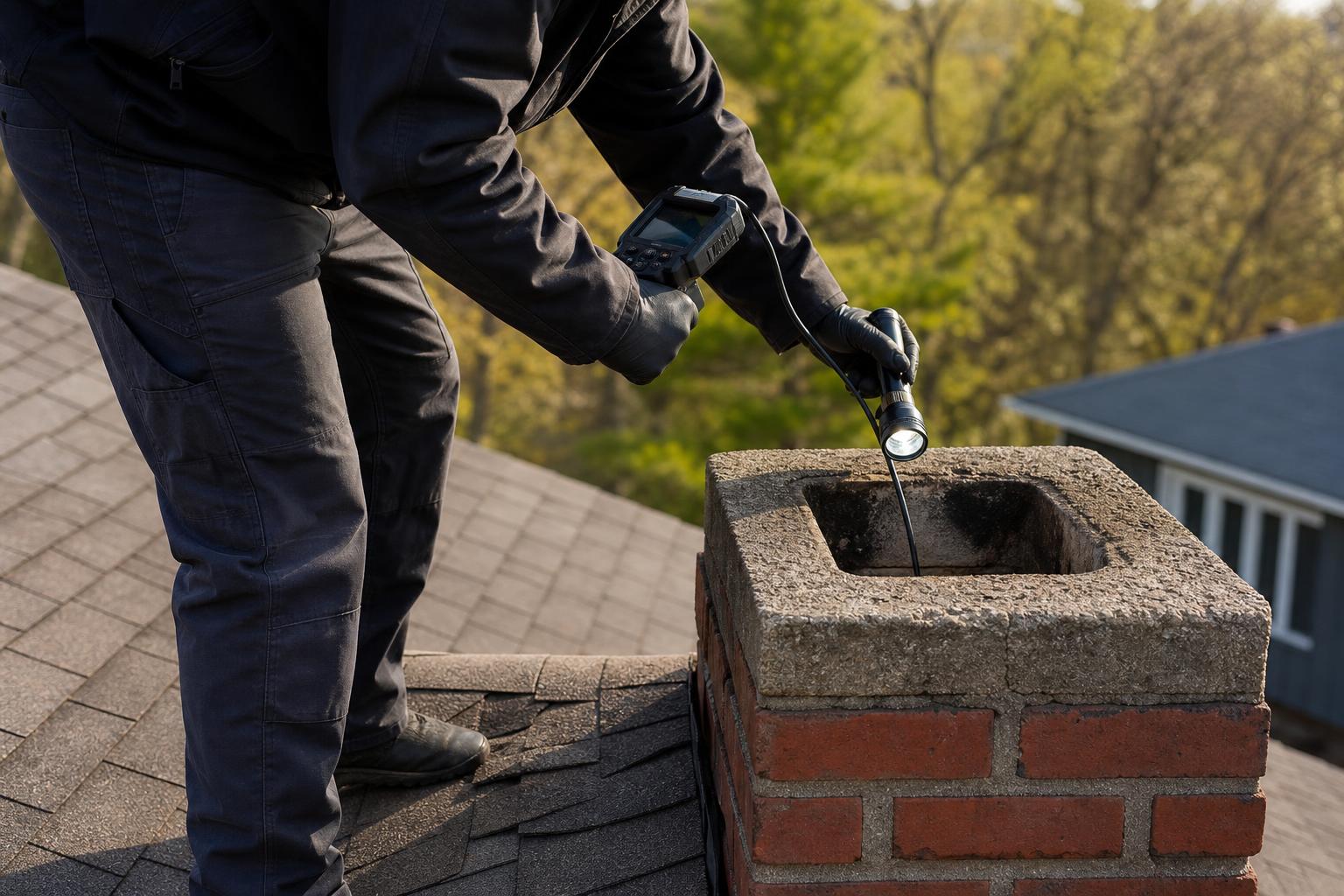
Chimney Inspection
Level 1, 2, and video-camera inspections that catch hidden cracks, gaps, and safety hazards before they become expensive repairs.
Learn more →