Chimney Sweep & Cleaning in Nashville, TN
Professional creosote and soot removal that keeps your fireplace safe to burn and your flue breathing properly.
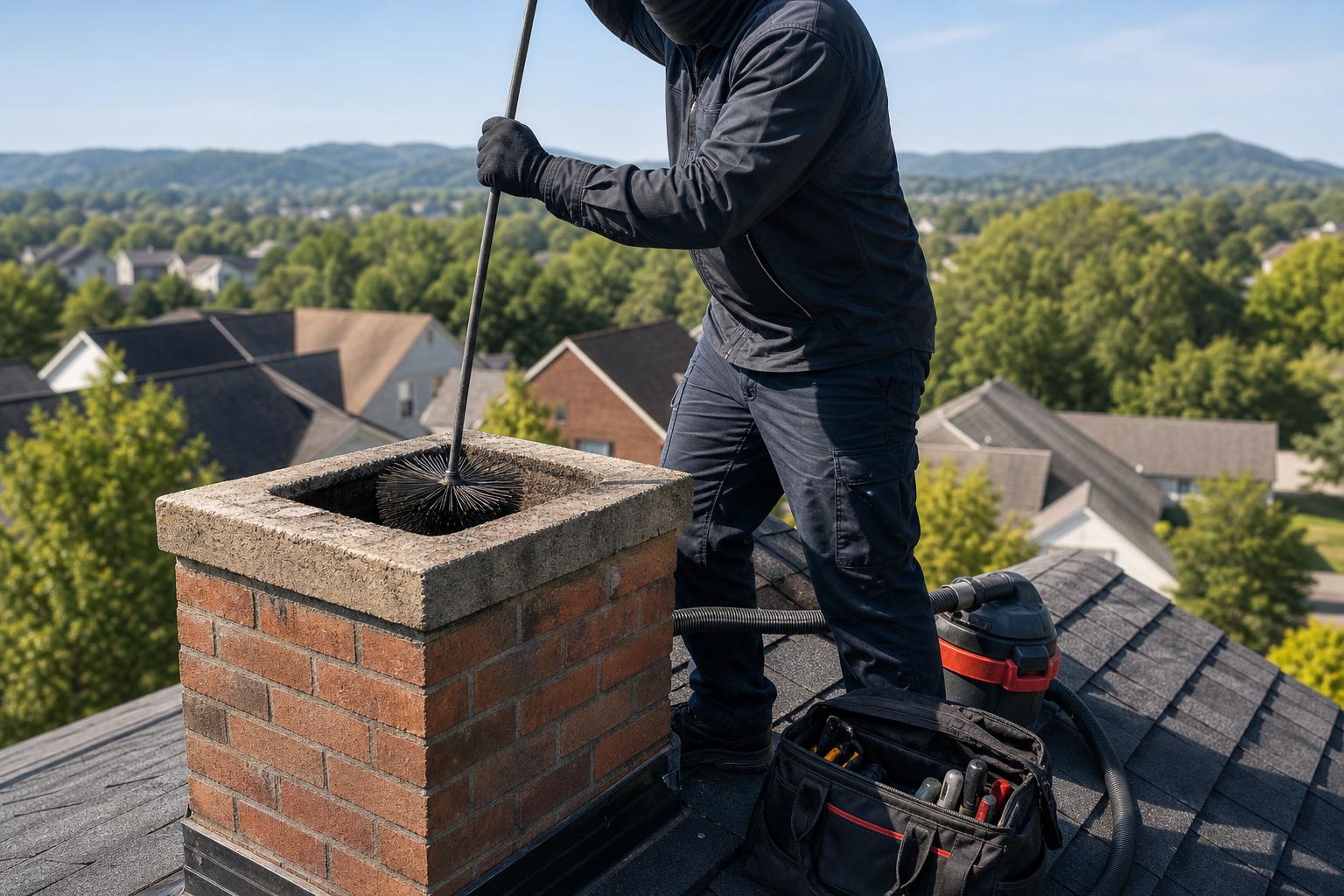
Every time you burn wood, a thin layer of creosote — a black, tar-like residue — builds up inside your flue. Left alone, it turns a cozy fireplace into the #1 cause of residential chimney fires. Our chimney sweep and cleaning service clears that buildup from top to bottom, so your fireplace draws properly and burns safely all winter long.
What's Included
- Full-length brushing of the flue liner, smoke chamber, and firebox
- HEPA-filtered vacuum containment to keep soot out of your living room
- Creosote glaze scoring and removal (Stage 1-2 buildup)
- Damper and smoke shelf debris removal
- Before-and-after photos of your flue interior
Our Process
- We lay drop cloths and seal the firebox opening to protect your floors and furniture.
- A CSIA-trained technician brushes the full flue length from the firebox to the chimney cap.
- A HEPA-rated vacuum captures loosened soot and creosote as we work, not after.
- We inspect the smoke chamber, damper, and crown for anything a sweep alone won't fix.
- You get a plain-language rundown — and photos — of exactly what we found and removed.
Why It Matters in Nashville
The Chimney Safety Institute of America recommends a sweep and inspection at least once a year for wood-burning fireplaces, and more often if you burn several times a week. Nashville's humid summers and mild-but-wet winters accelerate creosote buildup compared to drier climates, which is part of why local chimney fires spike every December and January.
Warning Signs You Shouldn't Ignore
- A campfire or smoky smell from the fireplace, especially in humid weather
- Puffs of smoke entering the room instead of drawing up the flue
- Visible black flaky or tar-like residue inside the firebox
- It's been more than 12 months, or 50+ fires, since your last sweep
What Affects Pricing
Cost depends on flue accessibility, creosote stage, and roof height/pitch, but most Nashville homes fall in a predictable range for a standard Level 1 sweep. Homes with steep or multi-story rooflines, wood inserts, or heavy Stage 3 glaze may need extra time.
Frequently Asked Questions
How often should I get my chimney swept in Nashville?
Once a year at minimum if you use your fireplace regularly, per CSIA guidelines. If you burn several nights a week all winter, every 6-9 months keeps creosote from reaching dangerous glaze stages faster in our humid climate.
Does a sweep make a mess in my house?
No — we seal the firebox opening and use HEPA-filtered vacuum containment throughout, so soot stays inside the equipment, not on your rugs and furniture.
Can you sweep a chimney I haven't used in years?
Yes, and you should — chimneys that sit unused often collect animal nests, debris, and moisture damage that need to be cleared before the next fire is ever lit.
Do gas fireplaces need sweeping too?
Gas flues need far less brushing but still need annual inspection for corrosion, blockages, and proper venting — we cover that under our gas fireplace service.
Other Services We Offer
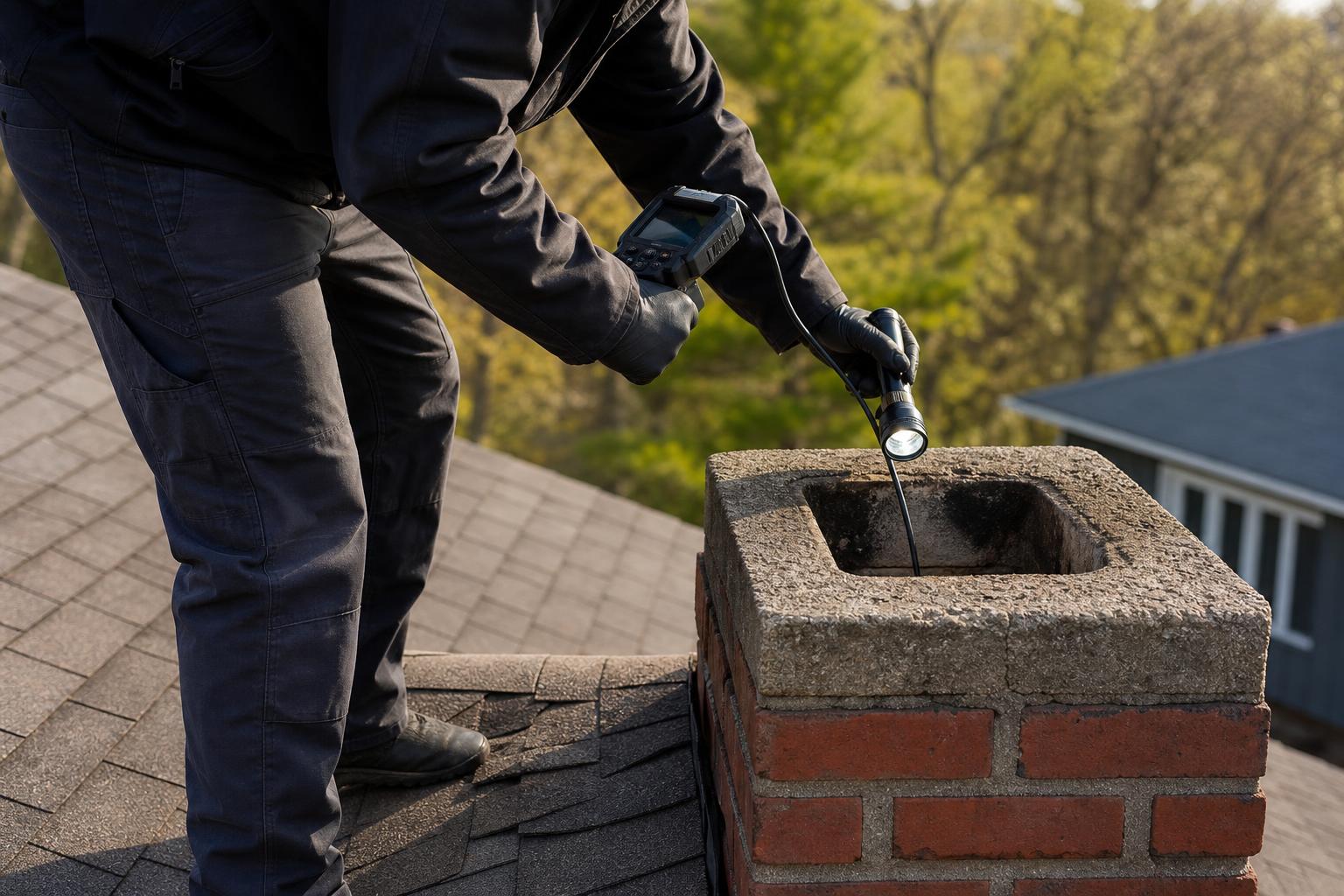
Chimney Inspection
Level 1, 2, and video-camera inspections that catch hidden cracks, gaps, and safety hazards before they become expensive repairs.
Learn more →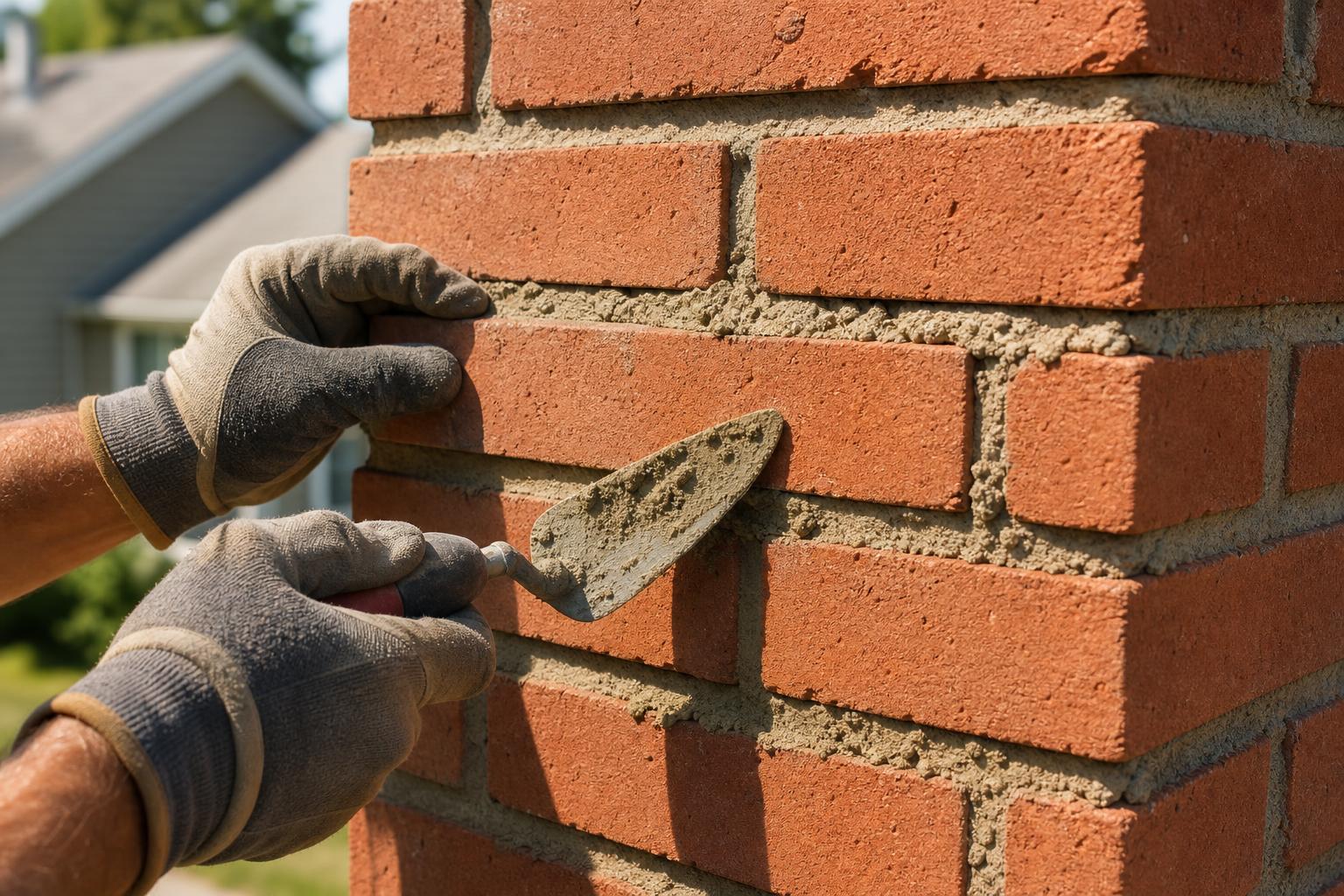
Chimney Repair
Crown, flashing, tuckpointing, and waterproofing repairs that stop water damage before it spreads into your home.
Learn more →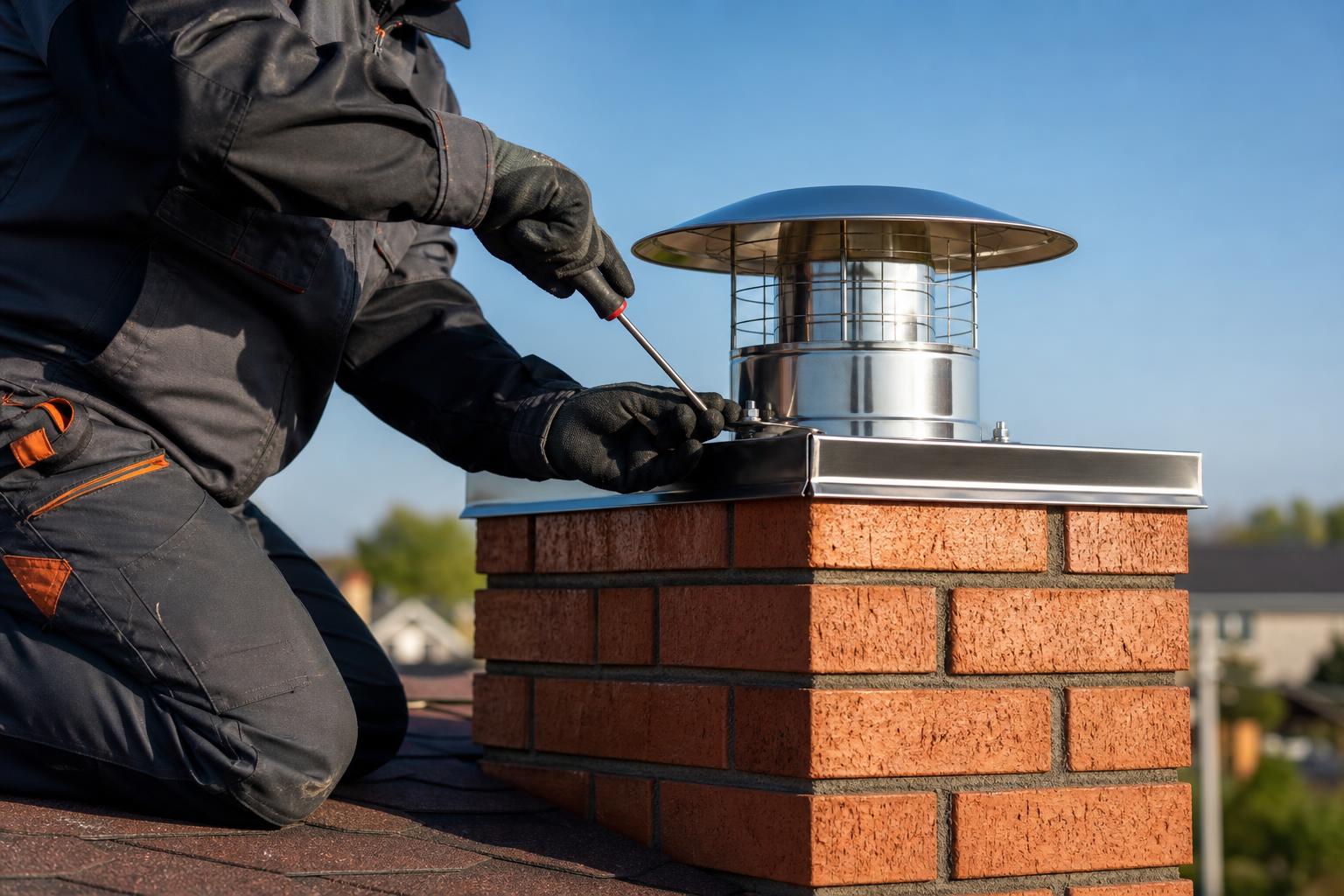
Chimney Cap & Damper Installation
Stop rain, animals, and downdrafts at the source with a properly fitted cap, and control airflow with a reliable new damper.
Learn more →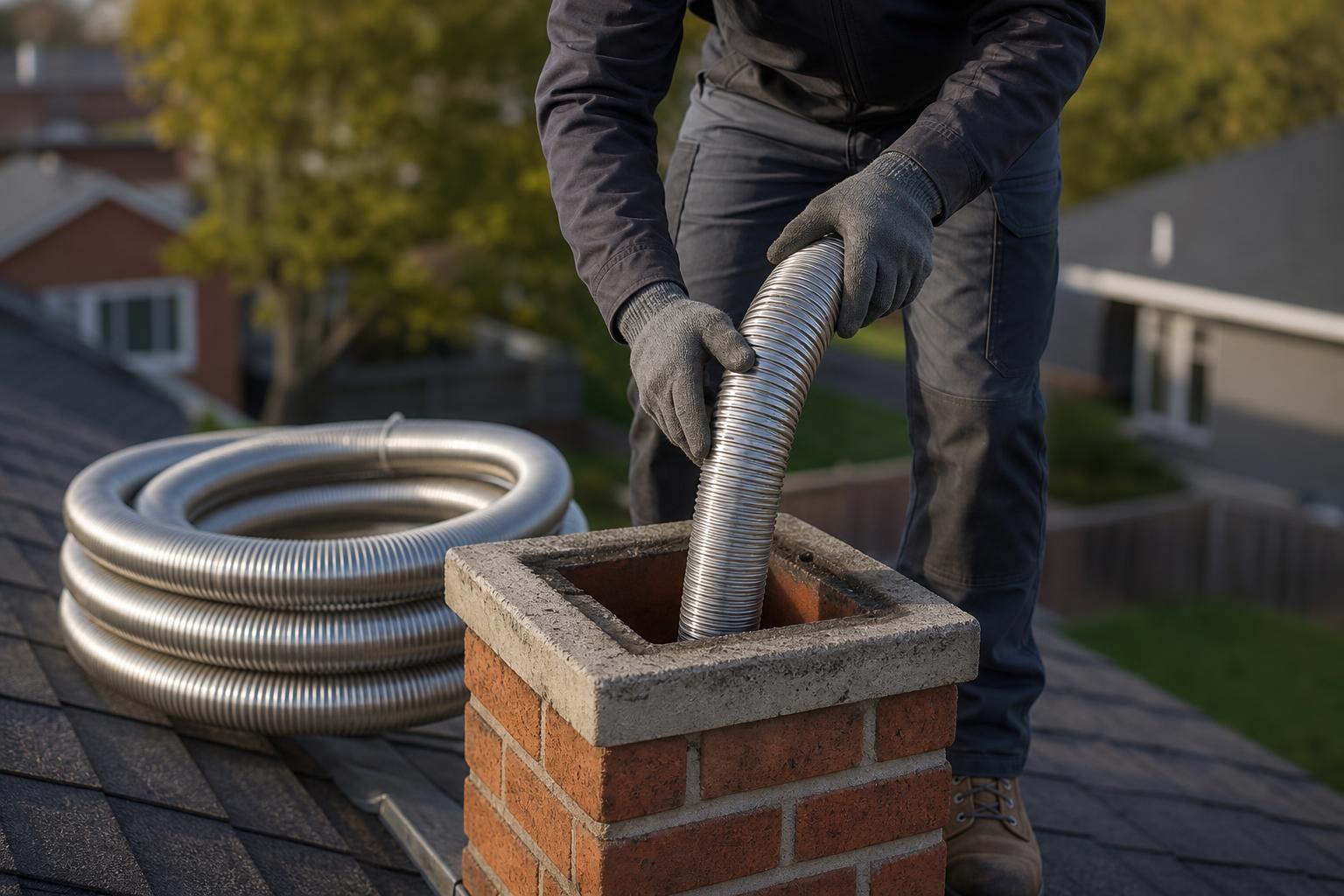
Chimney Relining
Stainless steel and cast-in-place relining that restores a safe, code-compliant flue for wood, gas, or a new insert.
Learn more →