
Why Nashville's Weather Is Hard on Older Chimneys
Freeze-thaw cycles, humidity, and severe spring storms all take a toll on Middle Tennessee chimneys — here's what to watch for.
Nashville's climate isn't as extreme as northern winters, but that's part of what makes it so hard on chimneys — Middle Tennessee typically sees somewhere around 20-30 freeze-thaw cycles each winter, as temperatures swing above and below freezing repeatedly rather than settling into one long deep freeze.
Every one of those cycles is an opportunity for water trapped in a crack, a worn mortar joint, or a compromised crown to expand as it freezes and widen the damage a little further. Over years, that repeated expansion is what turns a hairline crack into spalling brick or a genuinely unstable structure.
Nashville's humid summers add a second mechanism — more moisture in the air and more opportunity for that moisture to work its way into masonry through even small gaps, setting up the next winter's freeze-thaw damage.
Severe spring storms, which Middle Tennessee sees regularly, can also cause sudden flashing or crown damage from wind-driven rain or falling debris, sometimes creating leaks that only become obvious well after the storm has passed.
Older housing stock is particularly exposed to all of this. Homes built before modern crown-sealing and flashing techniques became standard often have decades of undetected minor water intrusion by the time a homeowner notices an actual ceiling stain.
The takeaway: an annual inspection isn't just about creosote and safety — in Nashville's specific climate, it's one of the best ways to catch water-related masonry damage while it's still a small, inexpensive repair rather than a full rebuild.
Related Services
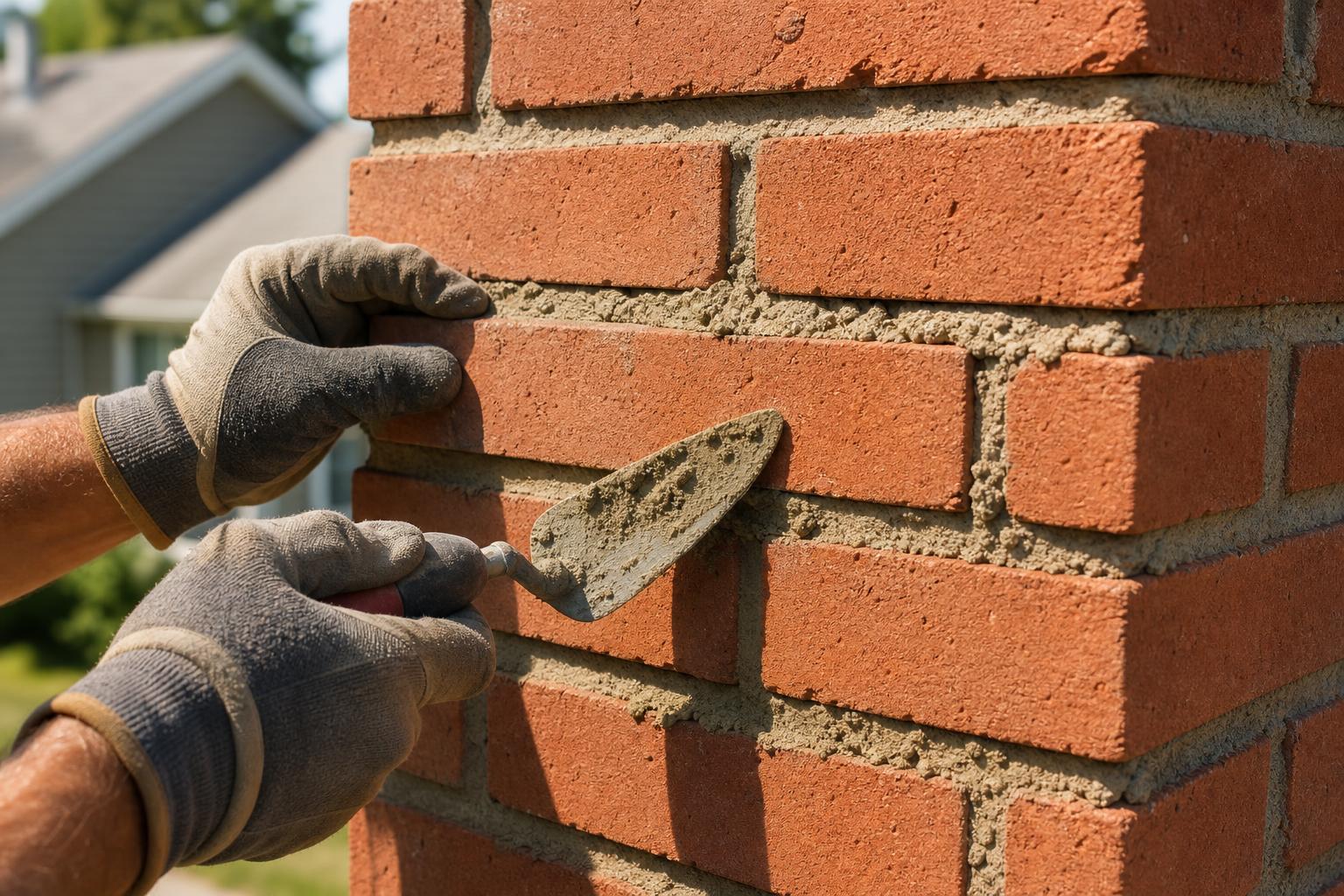
Chimney Repair
Crown, flashing, tuckpointing, and waterproofing repairs that stop water damage before it spreads into your home.
Learn more →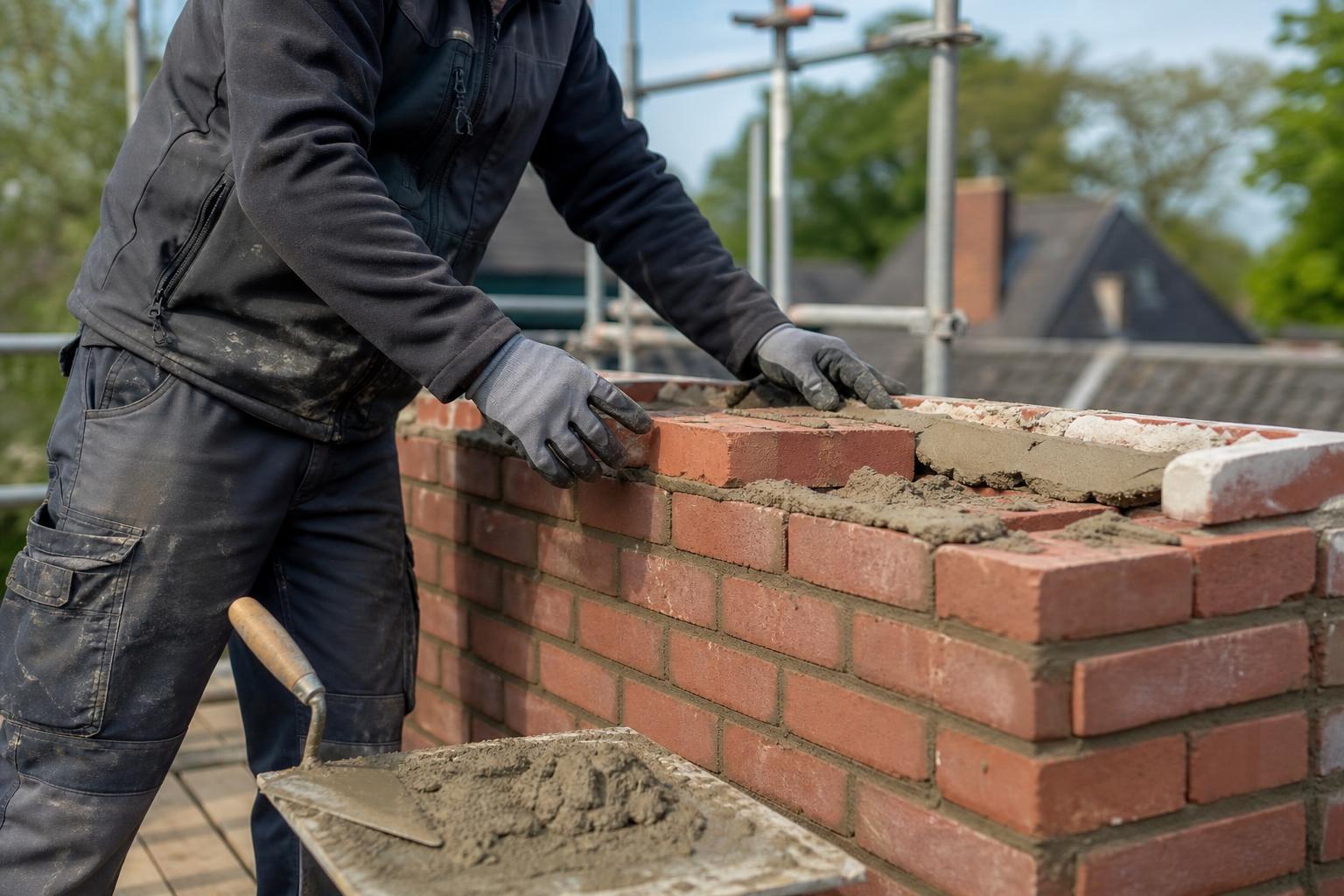
Masonry & Rebuild
Partial rebuilds, full chimney reconstruction, and structural masonry work for chimneys that have gone past simple repair.
Learn more →