
Pellet Stove vs. Wood Stove: Which Is Right for Your Nashville Home?
A side-by-side look at cost, convenience, and heat output to help you choose between a pellet stove and a traditional wood stove.
Both wood stoves and pellet stoves can heat a Nashville home more efficiently than an open fireplace, but they work very differently, and the right choice depends on what you actually want day-to-day.
Wood stoves burn cordwood and give you full manual control over the fire — no electricity required, lower fuel cost if you have access to firewood, and the classic look and smell of a real wood fire. The tradeoff is more hands-on management: loading wood, managing airflow, and cleaning ash regularly.
Pellet stoves burn compressed wood pellets fed automatically from a hopper, controlled by a thermostat much like a furnace. They offer more consistent, hands-off heat output and generally burn cleaner, but they require electricity to run the feed auger and fans, meaning they won't operate during a power outage without a battery backup.
Installation requirements differ too. Wood stoves typically vent through a traditional masonry or insulated stainless liner sized to the stove. Pellet stoves often use a smaller-diameter direct-vent system that can, in some cases, vent through an exterior wall rather than requiring a full chimney.
Efficiency-wise, pellet stoves often edge out wood stoves on paper, converting fuel to heat more consistently since combustion is thermostat-regulated rather than manually managed. But a well-run wood stove with dry, seasoned wood can perform very well too.
If you want lower-maintenance, thermostat-controlled heat and don't mind depending on electricity, a pellet stove is usually the better fit. If you want full control, no reliance on power, and don't mind the extra hands-on work, a wood stove is the classic choice. Either way, correct liner sizing and clearance installation are what actually determine whether the system performs safely and efficiently.
Related Services
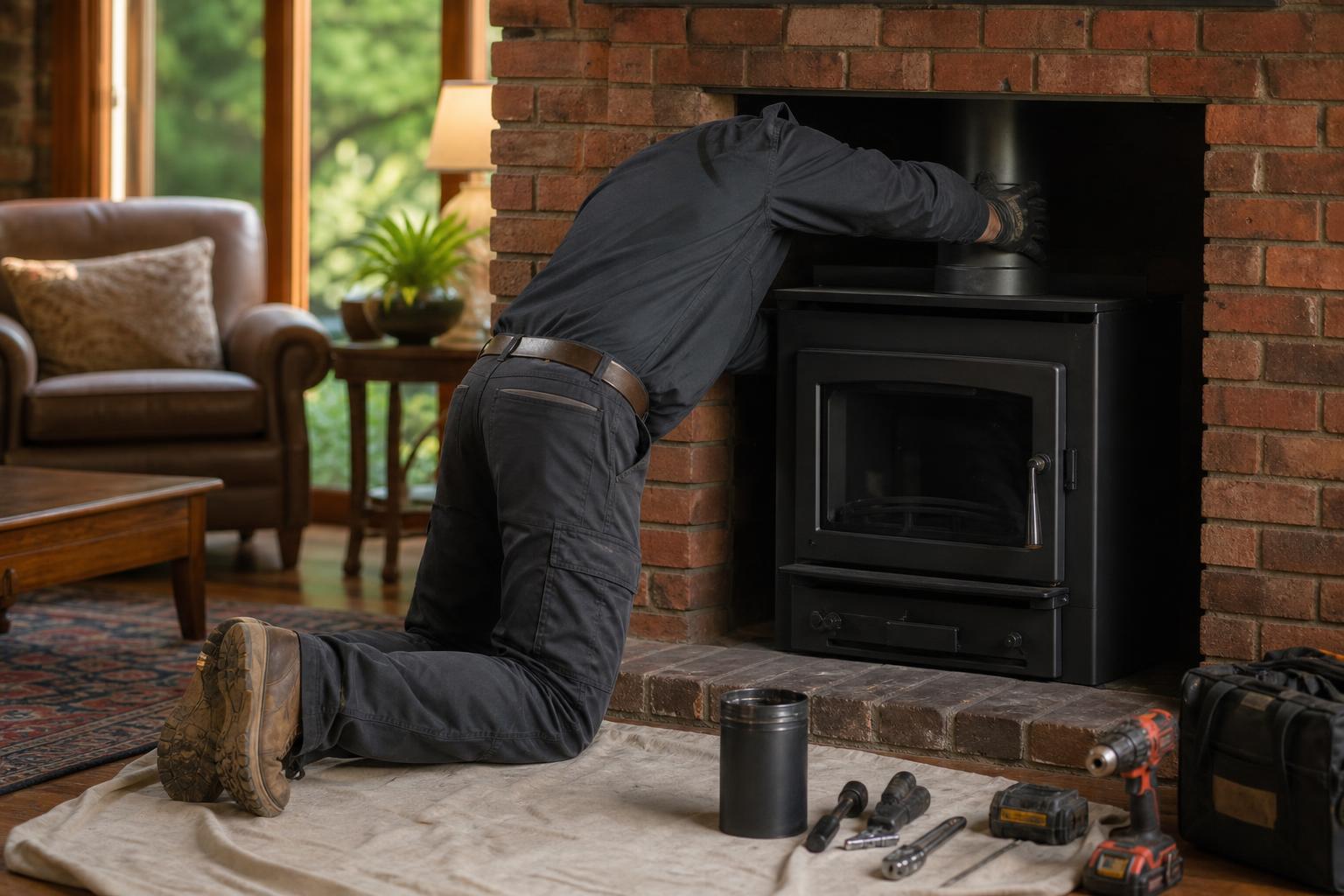
Wood & Pellet Stove Installation
Code-compliant installation of wood-burning and pellet stoves, including proper liner sizing, hearth clearance, and venting.
Learn more →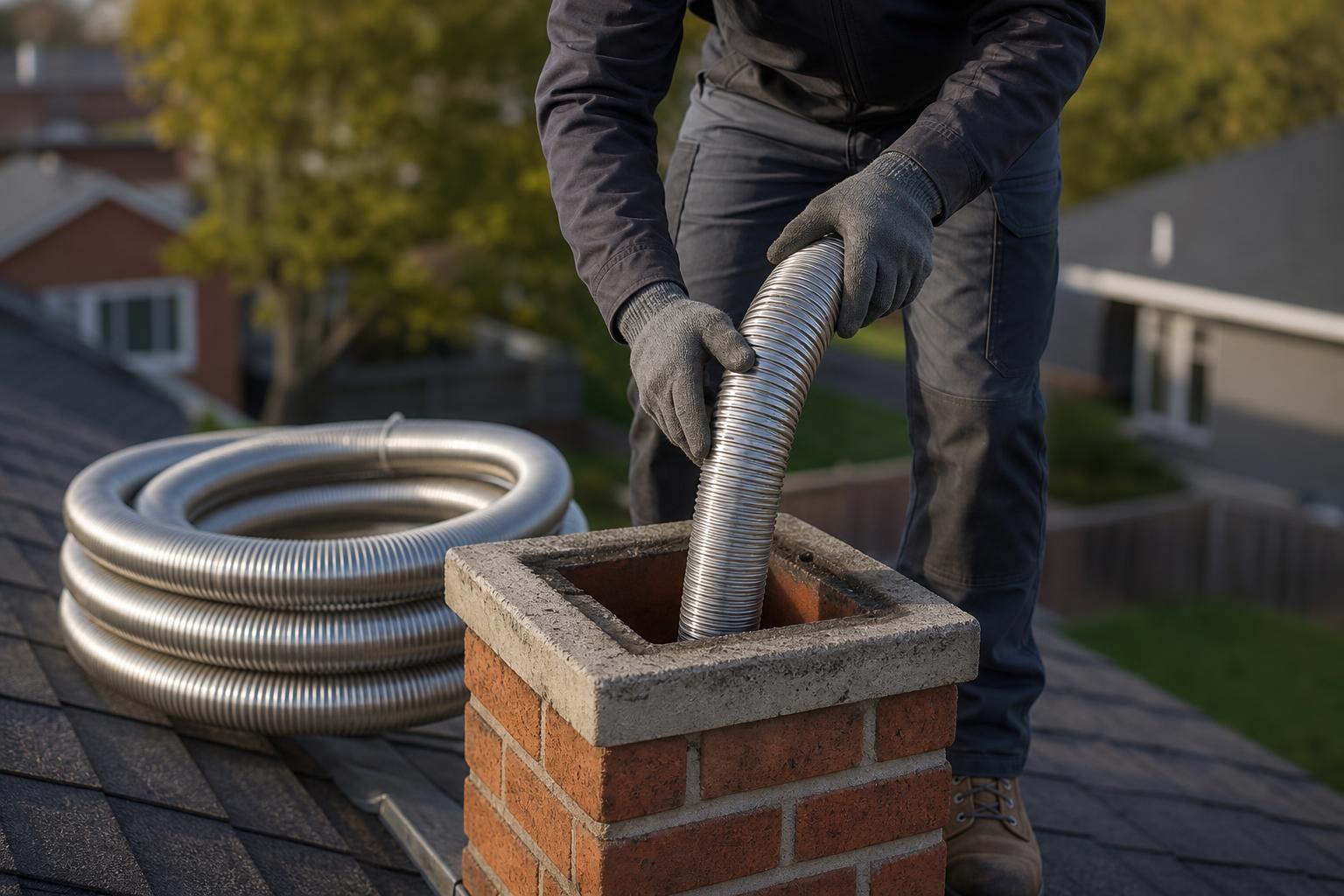
Chimney Relining
Stainless steel and cast-in-place relining that restores a safe, code-compliant flue for wood, gas, or a new insert.
Learn more →