
Chimney Waterproofing in Wedgewood-Houston & Glencliff, Nashville (ZIP 37210)
Vapor-permeable sealant application that blocks water intrusion without trapping moisture inside the masonry.
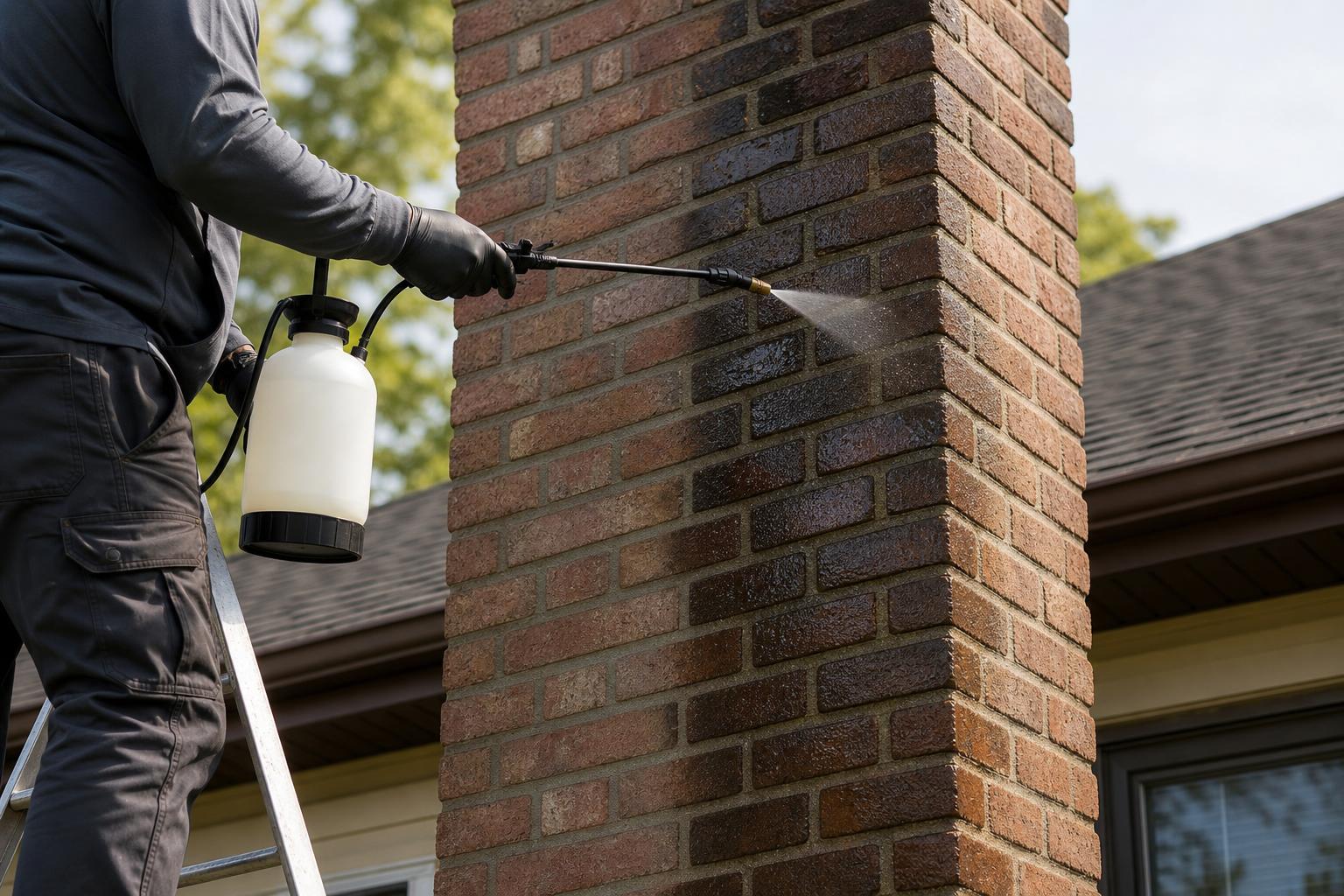
Older residential buildings mixed throughout Wedgewood-Houston & Glencliff's industrial redevelopment often have masonry that went years without maintenance during the area's transition, making waterproofing a smart first step before it goes any longer untreated.
Brick and mortar are naturally porous, which means water intrusion is a matter of when, not if, without protection. The key is using a vapor-permeable waterproofing product — one that blocks liquid water from getting in while still letting trapped water vapor escape, unlike paint-on tar sealants that trap moisture and accelerate damage.
What's Included
- Vapor-permeable water repellent sealant application
- Full masonry surface cleaning and preparation before sealing
- Crown and flashing inspection as part of the waterproofing process
- Application guidance suited to Middle Tennessee's freeze-thaw climate
- Multi-year protection with proper reapplication scheduling
Warning Signs in Wedgewood-Houston & Glencliff Homes
- White, chalky staining (efflorescence) appearing on the exterior brick
- A chimney that's never been waterproofed and is more than 10-15 years old
- Recent tuckpointing or crown repair that should be protected going forward
- Visible dampness on masonry after rain that takes days to dry out
About the Wedgewood-Houston & Glencliff Area
Wedgewood-Houston has transformed from an industrial warehouse district into one of Nashville's most active arts and brewery neighborhoods, while Glencliff to the south remains a working-class residential pocket of older brick homes. The contrast shows up in our service calls — converted warehouse lofts near the Fairgrounds need dryer vent and gas fireplace service for modern build-outs, while Glencliff's older single-family homes need the same crown, cap, and masonry attention as any mid-century Nashville neighborhood. Rapid redevelopment in this ZIP also means we regularly find chimneys that were capped off or left untouched through a property's transition from industrial to residential use, now needing a full inspection before they're put back into service.
Frequently Asked Questions
Isn't waterproofing just painting the chimney?
No — proper waterproofing uses a clear, vapor-permeable sealant that lets the masonry breathe, unlike paint or tar coatings that trap moisture inside and can actually accelerate damage.
How long does chimney waterproofing last?
Most quality sealants last several years before reapplication is needed, though exact timing depends on sun and weather exposure.
Can waterproofing fix a chimney that's already leaking?
Waterproofing helps prevent future intrusion through porous masonry, but an active leak from a cracked crown or failed flashing needs to be repaired first — sealant isn't a substitute for fixing the actual entry point.