Chimney Relining in Fairgrounds & Metro Center, Nashville (ZIP 37228)
Stainless steel and cast-in-place relining that restores a safe, code-compliant flue for wood, gas, or a new insert.
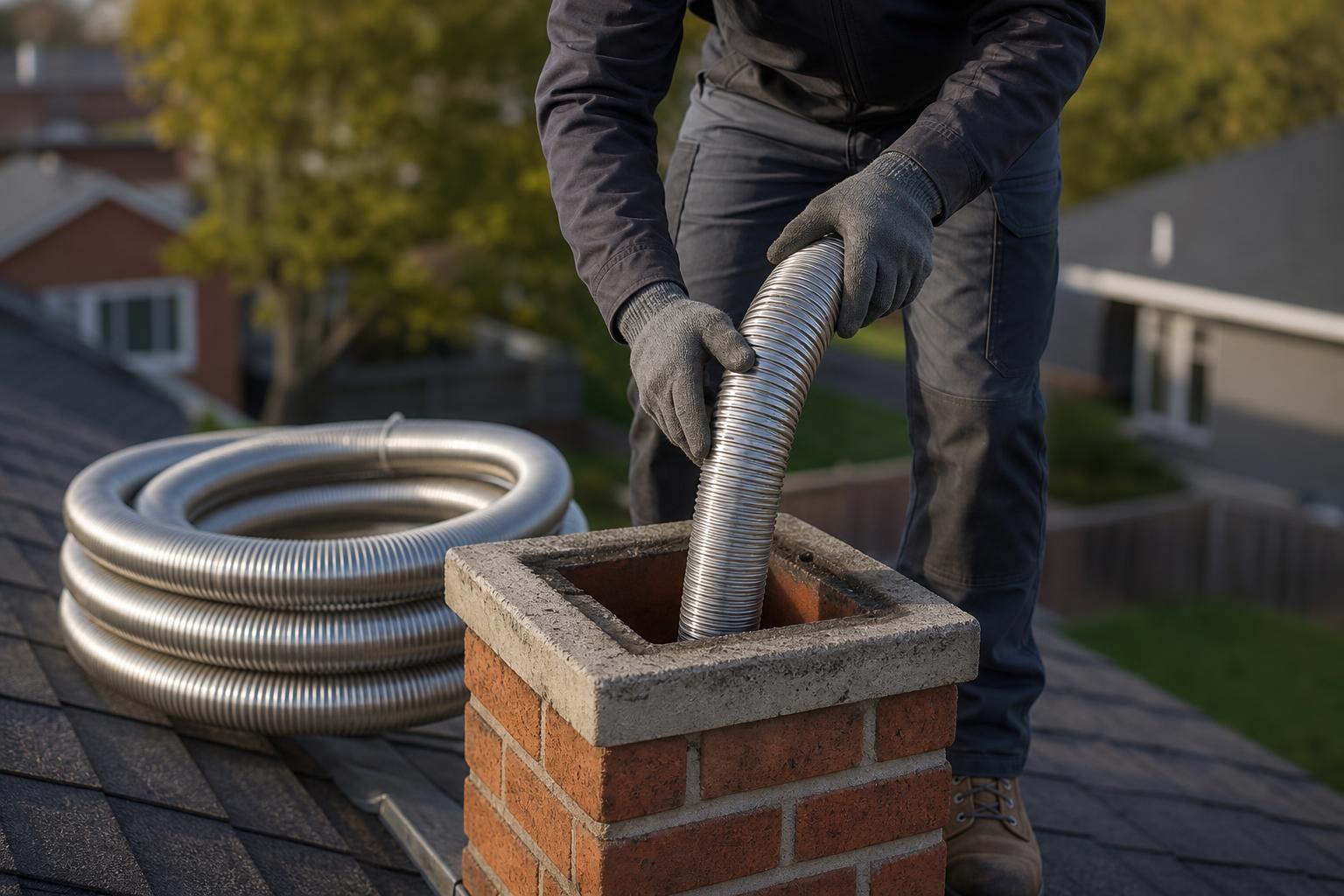
Converted spaces in Fairgrounds & Metro Center that are adding a fireplace or stove to a formerly industrial building typically need a fully code-compliant liner sized to the new appliance, since original flues in these buildings were rarely designed with residential use in mind.
The flue liner is what actually protects your home's structure from the heat and byproducts of every fire — and in many older Nashville homes, especially those built before the 1980s, that liner is cracked, deteriorated, or missing entirely. Relining restores a safe path for smoke and gases and is often required when installing a new insert or converting fuel types.
What's Included
- Stainless steel liner installation for wood-burning or gas appliances
- Cast-in-place (poured) relining for structurally compromised flues
- Insulated liner kits for improved draft and reduced creosote buildup
- Liner sizing matched to your specific appliance for code compliance
- Full video documentation before and after installation
Warning Signs in Fairgrounds & Metro Center Homes
- Chunks of tile debris found in the firebox or smoke chamber
- A Level 2 inspection reveals cracked or missing flue tiles
- You're installing a new wood stove, insert, or converting to gas
- Visible white staining suggesting flue gas is passing through the masonry itself
About the Fairgrounds & Metro Center Area
Centered on the Nashville Fairgrounds and the Metro Center industrial park, 37228 has historically been a warehouse and light-industrial ZIP that's only recently begun seeing residential loft and mixed-use development. Where residential units exist, they tend to be newer construction with gas fireplaces and standard modern venting rather than legacy wood-burning masonry, so our work here skews toward gas fireplace service, dryer vent cleaning for new multi-unit buildings, and cap/damper installation for fresh construction. As redevelopment around the Fairgrounds continues, we expect this ZIP's service mix to keep shifting from purely industrial concerns toward the standard residential lineup found in Nashville's other urban-core neighborhoods.
Frequently Asked Questions
How do I know if my chimney needs relining?
The clearest sign is a Level 2 video inspection showing cracked, missing, or heavily deteriorated flue tiles — we'll show you the footage so it's not a guessing game.
Do I need a new liner to install a wood stove insert?
In almost every case, yes — inserts require a continuous, correctly sized liner from the appliance to the top of the chimney, which the original open flue usually isn't set up to provide safely.
What's the difference between stainless steel and cast-in-place liners?
Stainless liners are flexible or rigid tubes installed inside the existing flue — faster and generally more affordable. Cast-in-place liners pour a new masonry lining in place, which works well for irregularly shaped or structurally compromised flues.